
What's Latest in Ornamentum
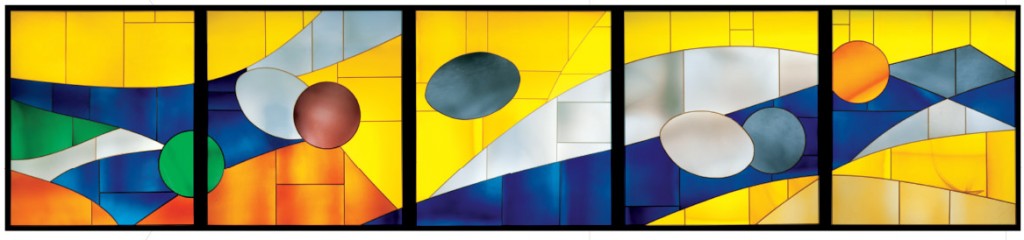
Arcs of Colour
{CONTENT}
A stained glass window by Quebec artist Marcelle Ferron
Article by Rosalind Pepall
T
HERE ARE MANY stained glass windows in the collection of the Montreal Museum of Fine Arts-Gothic, Renaissance, William Morris, and Tiffany examples-but it was unusual for a museum to be offered an entire coloured glass wall...

Natural History on Display: Victorian Insect Art
{CONTENT}
Article by Suzanne Moase
I
N 1831, THOMAS BARNETT opened his museum of curiosities and natural history to the viewing public in Niagara Falls. The Niagara Falls Museum, considered to be Canada’s oldest museum, was one of the first substantial buildings along the road that faces Niagara Falls....

Collecting TREEN
{CONTENT}
Article by John Adams
M
ANY PEOPLE HAVE NEVER HEARD the word treen. It is derived from an old English word that simply translates as ‘made of wood.’ Treen consists as a category of mainly domestic objects such as plates, bowls, cups, goblets, pepper mills, boxes, and the like,...

Spring/Summer 2015 Issue
EDITORIAL – Anniversary – John Fleming
A Prairie Beacon: Gasoline Alley’s Rare Pump – Sylvia J. Harnden
Bauhaus-inspired, Canadian-made: A Remarkable Desk – Rosalind Pepall
Continue Reading >
A Prairie Beacon: Gasoline Alley’s Rare Pump – Sylvia J. Harnden
Bauhaus-inspired, Canadian-made: A Remarkable Desk – Rosalind Pepall
Continue Reading >
Anniversary
{CONTENT}
Editorial by John Fleming
ORNAMENTUM celebrates 10 years of publication in 2015 as it continues to record our delight in the pursuit and pleasure of discovering and promoting interest in the decorative arts in Canada. This retrospective adventure maintains our ongoing off-angle approach to the many aspects of the...
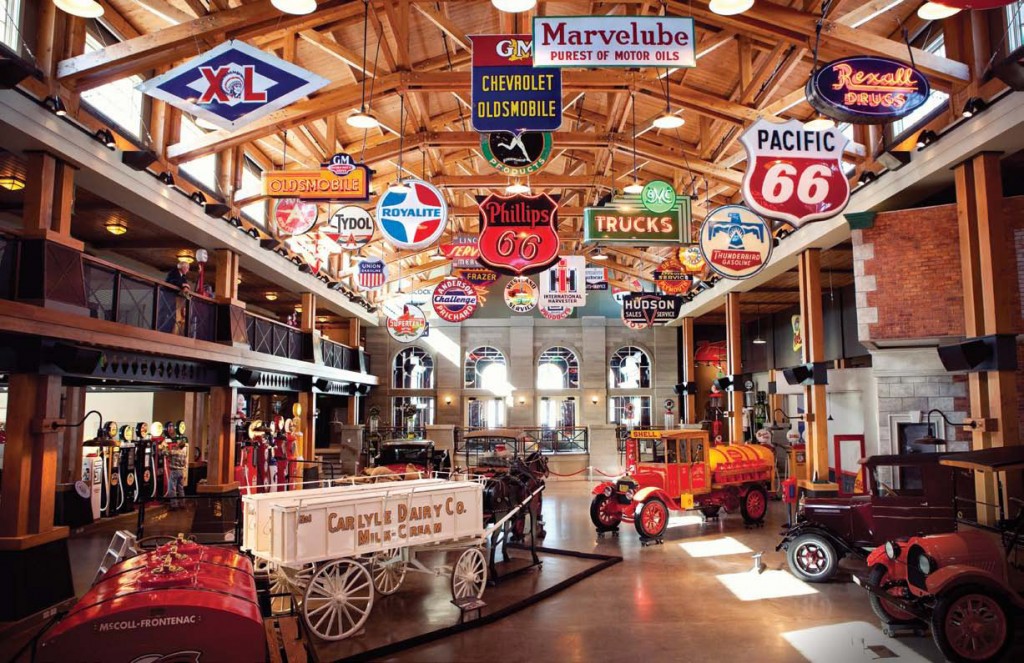
A Prairie Beacon: Gasoline Alley’s Rare Pump
{CONTENT}
Article by Sylvia J. Harnden
G
ASOLINE ALLEY MUSEUM, in Calgary’s Heritage Park Historical Village, is home to thousands of artifacts relating to the retail of petroleum products during the first half of the 20th century. Every vehicle, gas pump, globe, sign, and item of ephemera has its...
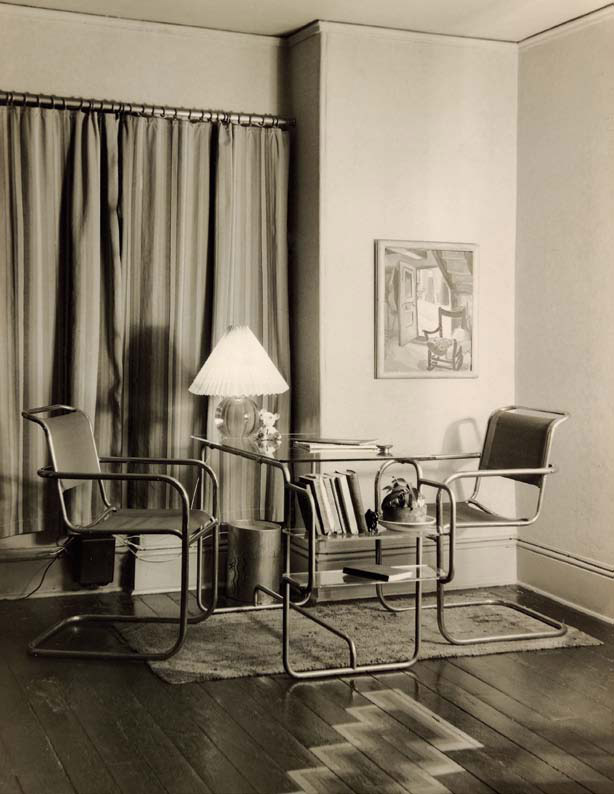
Bauhaus-inspired, Canadian-made: A Remarkable Desk
{CONTENT}
Article by Rosalind Pepall
T
HE DESK HAD A TUBULAR STEEL FRAME upon which was posed a rectangular sheet of thick clear glass. On one side were two small glass shelves on tubular steel supports. Simplicity itself. Made in Canada in 1932, it was modelled after the furniture...

Tokens of Love: The Intricate and Intimate Art of Sailors’ Valentines
{CONTENT}
Article by Judy Dinnick
T
HE TRADITION of sailors’ valentines began in 19th-century Barbados, during the times of the magnificent sailing ships. Barbados was an important port of call for English and American trading ships, and sailors would purchase gifts to take back to loved ones in England...
Pleasing the Spirits
{CONTENT}
Article by Theodore Brasser
A
COAT MADE OF CARIBOU SKIN, length 52 inches, sewn with sinew thread, and decorated with paintings in red, black, and yellow. Chemical tests have identified the red and black as native earth pigments and the yellow as a protein, probably of fish...